Felix Meier · 9 October 2026
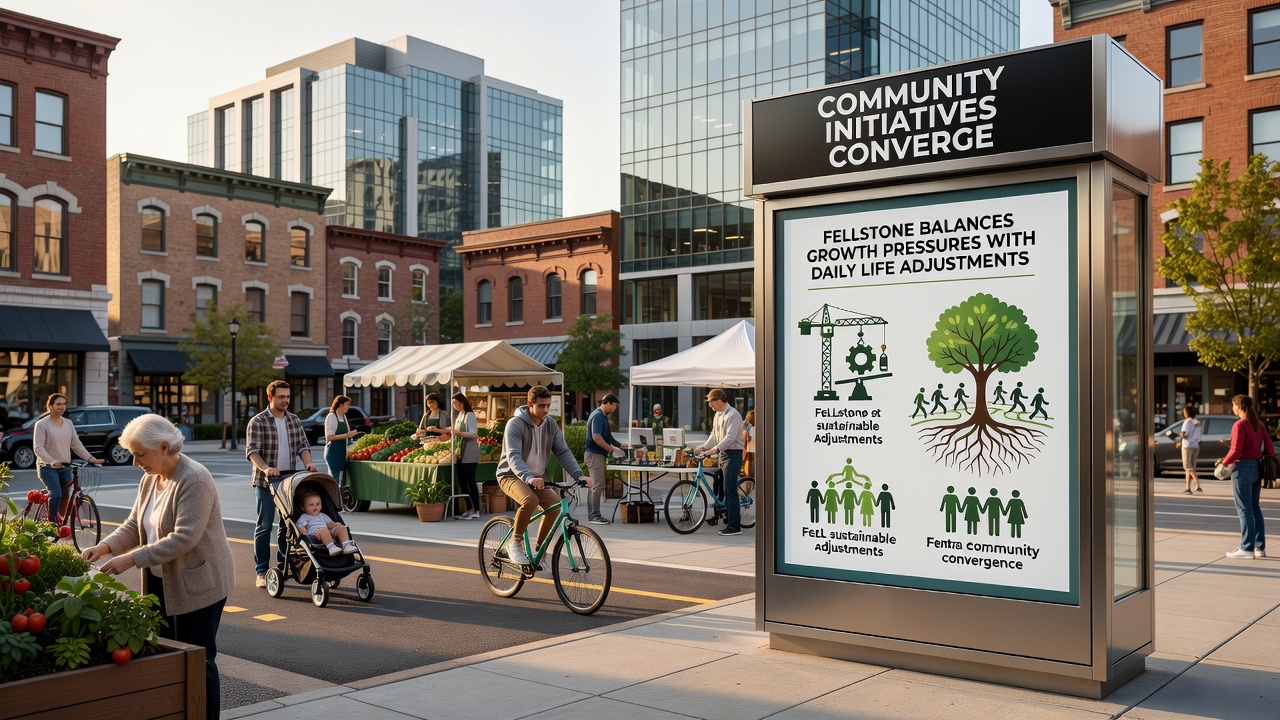
Community Initiatives Converge as Fellstone Balances Growth Pressures with Daily Life Adjustments
Community groups across Fellstone have started coordinating their efforts in response to ongoing development pressures that affect traffic patterns, housing availability, and local services throughout 2026. Local organizations formed a joint working committee in early October to align projects that range from green space preservation to improved public transport links, while data from the Fellstone Area Planning Office shows a 12 percent rise in planning applications compared with the same period last year.
Residents report noticeable shifts in daily routines as construction activity increases near the village center, yet several volunteer-led programs now offer practical support such as shared transport schedules and temporary childcare arrangements during peak building periods. These adjustments emerged after surveys conducted by the Fellstone Community Network revealed that 68 percent of households experienced longer commute times or disrupted access to shops and schools.
Coordinated Response to Expansion
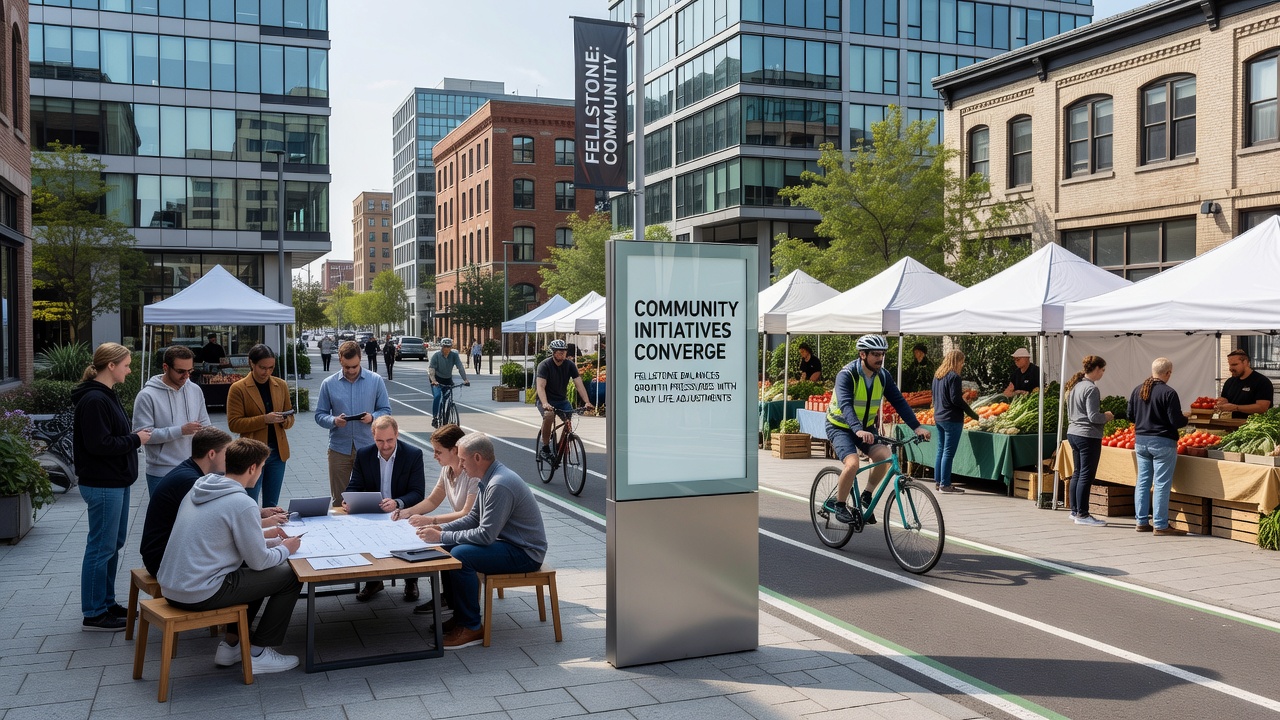
Multiple initiatives converged when representatives from the Fellstone Environmental Trust, the Village Business Association, and the Youth Activity Forum established a shared calendar that synchronizes events with construction timelines. This approach allows community gatherings to avoid road closures and enables local businesses to adjust operating hours based on real-time traffic data supplied by the regional highways authority. Observers note that such synchronization reduces overlap between noisy works and family-oriented activities, particularly during the autumn months when school terms overlap with major infrastructure upgrades.
Funding for these coordinated efforts draws from a combination of parish grants and contributions from developers required to meet Section 106 obligations under current planning regulations. Figures released by the Department for Levelling Up, Housing and Communities indicate that similar agreements across comparable settlements have directed an average of £1.2 million per project toward community facilities, and Fellstone’s allocation follows the same framework.
Daily Life Adjustments Take Shape
Households have adapted to changing conditions through small-scale measures that include staggered school drop-off schemes and neighborhood walking groups. One study conducted by the University of Exeter’s Centre for Rural Policy Research found that villages experiencing comparable growth rates saw a 22 percent increase in car-sharing arrangements once local groups promoted them through simple messaging apps. Fellstone’s version of this program launched in September and now lists more than 180 regular participants who coordinate journeys to nearby towns and medical appointments.
Retailers along the high street have also modified delivery schedules to avoid peak construction hours, a change documented in a report from the Federation of Small Businesses that highlights how timing adjustments help maintain stock levels without adding to congestion. These operational tweaks occur alongside broader conversations about long-term infrastructure needs, including potential upgrades to the local health center and expanded cycle paths that connect new housing zones with existing amenities.
Looking Ahead to Integrated Planning
Local authorities continue to review proposals that would add several hundred new homes over the next five years, and community representatives participate in consultation meetings scheduled through the remainder of October 2026. Minutes from the most recent session show discussions centered on preserving access to footpaths and ensuring that new developments include sufficient parking and electric vehicle charging points. Data compiled by the Office for National Statistics on rural settlement growth patterns suggests that villages of Fellstone’s size typically require updated service capacity within three to five years of significant housing approvals.
Additional partnerships have formed with neighboring parishes to share expertise on topics such as renewable energy installations and flood resilience measures, topics that gained urgency after recent weather events affected parts of the region. These cross-boundary collaborations operate under guidance from teh Environment Agency and draw on technical reports produced by academic teams at several UK universities.
Conclusion
The convergence of community initiatives in Fellstone demonstrates how local groups can align separate projects to address simultaneous pressures from growth and everyday routines. Ongoing monitoring by the parish council and partner organizations will track whether current adjustments maintain service levels while development proceeds, and further updates are expected before the end of the year.