Felix Meier · 23 October 2026
Fellstone Residents Combine School Fundraisers with Green Campaigns to Manage Expansion and Limited Supplies
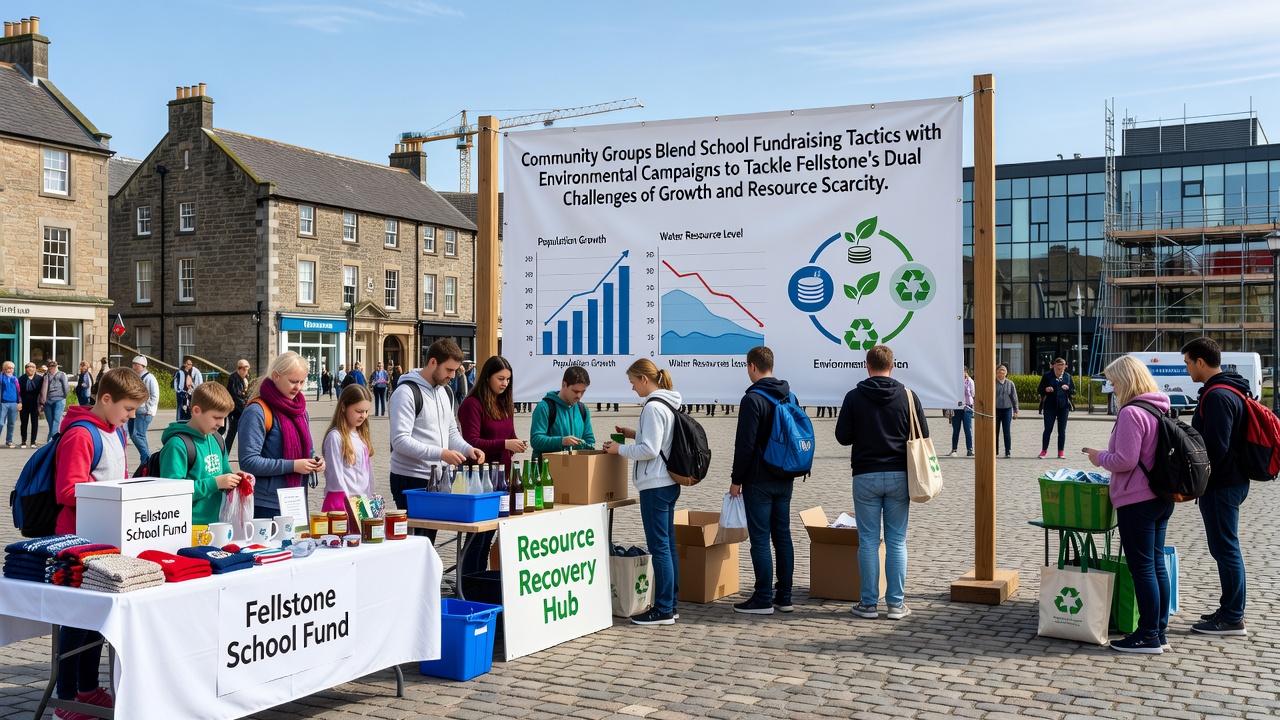
Fellstone has experienced steady population increases over recent years, and local groups have responded by merging traditional school fundraising methods with environmental initiatives that address both expansion demands and constraints on water, energy, and materials. These efforts bring together parent-teacher associations, conservation volunteers, and business owners who organize events that raise funds for educational programs while promoting reduced consumption and habitat protection.
Population Pressures and Resource Limits Shape Local Strategies
Data from regional planning records indicate that Fellstone added several hundred residents between 2023 and 2025, which placed additional demands on existing infrastructure and natural supplies. Community organizers observed that school budgets faced shortfalls at the same time that households reported higher utility costs during periods of dry weather. In response, groups began designing activities that served dual purposes: generating revenue through ticket sales, auctions, and product drives while educating participants about conservation practices such as rainwater collection and native plant landscaping.
By October 2026, multiple events had already taken place that combined these elements. One weekend market featured student-run stalls selling recycled crafts alongside workshops on composting systems, and proceeds supported classroom technology upgrades. Organizers tracked participation numbers that exceeded previous standalone fundraisers, suggesting that integrated formats attracted broader attendance from families and environmental advocates alike.
Event Formats Draw on Established School Tactics
Schools in the area have long relied on bake sales, sponsored walks, and seasonal fairs to supplement public funding. Those same structures now incorporate environmental messaging and measurable targets for waste reduction or energy savings. For instance, a sponsored walk in early autumn 2026 required participants to log their use of reusable water bottles and report reduced single-use plastic consumption over the preceding month, which tied directly to the event's fundraising goals. Local businesses contributed prizes that highlighted sustainable products, creating an incentive structure that reinforced both financial and ecological outcomes.
Coordination Across Groups Produces Measurable Results
Records maintained by participating organizations show that combined events in 2025 and 2026 diverted several tonnes of materials from landfill through collection drives that fed into school supply reuse programs. At the same time, funds collected covered costs for outdoor learning spaces that incorporate drought-resistant vegetation. Researchers from the University of Melbourne have documented similar patterns in other growing communities where blended campaigns improved both resource efficiency and educational access; their findings appear in a public report issued by the Australian Department of Climate Change, Energy, the Environment and Water.
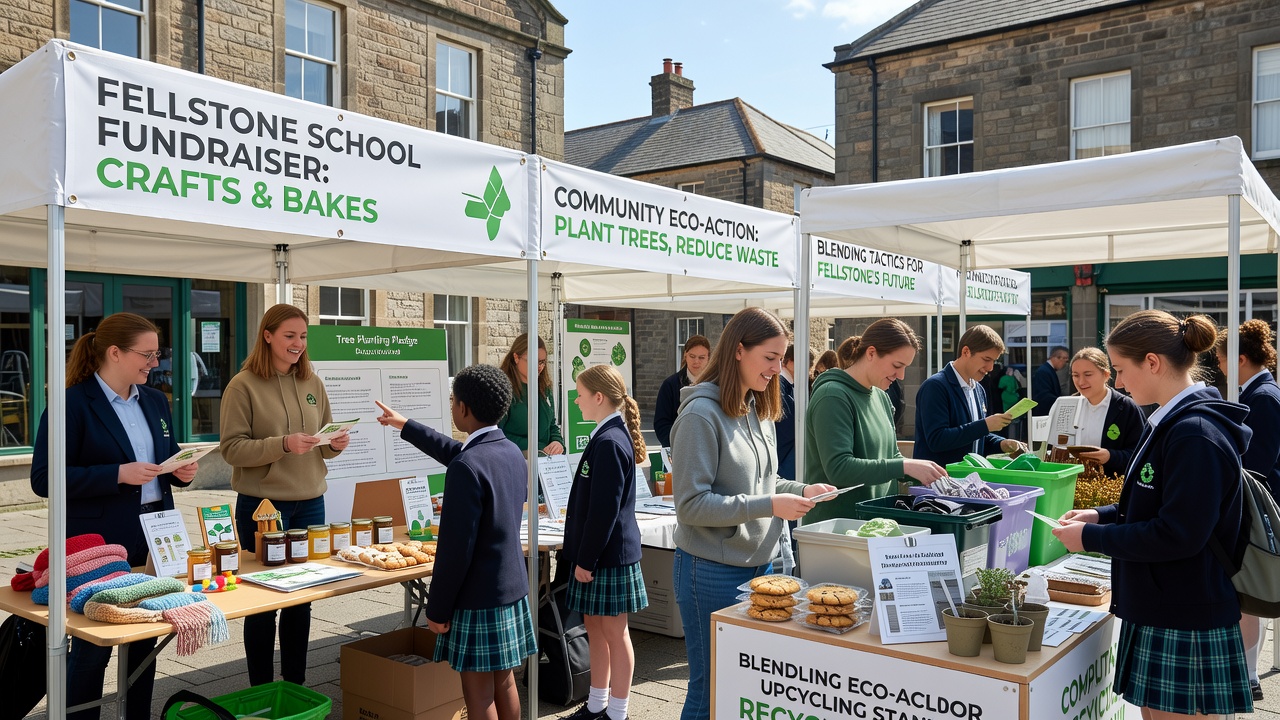
Coordination meetings occur monthly at the community hall, where representatives from the primary school, the wildlife trust, and nearby farms review upcoming calendars and share data on resource use. These sessions have produced shared procurement lists that favor locally sourced, low-impact materials for event supplies, which reduces transportation emissions while keeping costs predictable for organizers.
Challenges Remain as Participation Scales
Although attendance at blended events continues to rise, organizers note that volunteer time remains a limiting factor, particularly when simultaneous demands arise from housing development reviews and seasonal agricultural work. Some groups have begun experimenting with digital platforms to coordinate sign-ups and track contributions, which mirrors approaches described in case studies from Canadian municipalities facing comparable growth pressures. A 2025 analysis released by Environment and Climate Change Canada highlighted how digital tools helped communities maintain momentum across multiple campaign streams without increasing administrative burdens.
Supply chain disruptions and fluctuating material costs have also prompted adjustments to prize offerings and auction items, with greater emphasis placed on experiences rather than physical goods. This shift aligns with broader trends observed in environmental fundraising circles and helps keep events aligned with the core objective of resource conservation.
Conclusion
Fellstone's approach of integrating school fundraising structures with environmental campaigns continues to evolve as new data on population trends and supply availability becomes available. Participation records and material diversion figures provide concrete indicators of progress, while ongoing coordination among schools, conservation groups, and local enterprises sustains the dual focus on educational support and resource management. Future events scheduled through the remainder of 2026 and into 2027 will test whether these methods maintain effectiveness as the village continues to develop.