Jonas Vogel · 25 September 2026
Fellstone Residents Unite for Historic Bridge Project That Blends Preservation with Modern Safety Standards
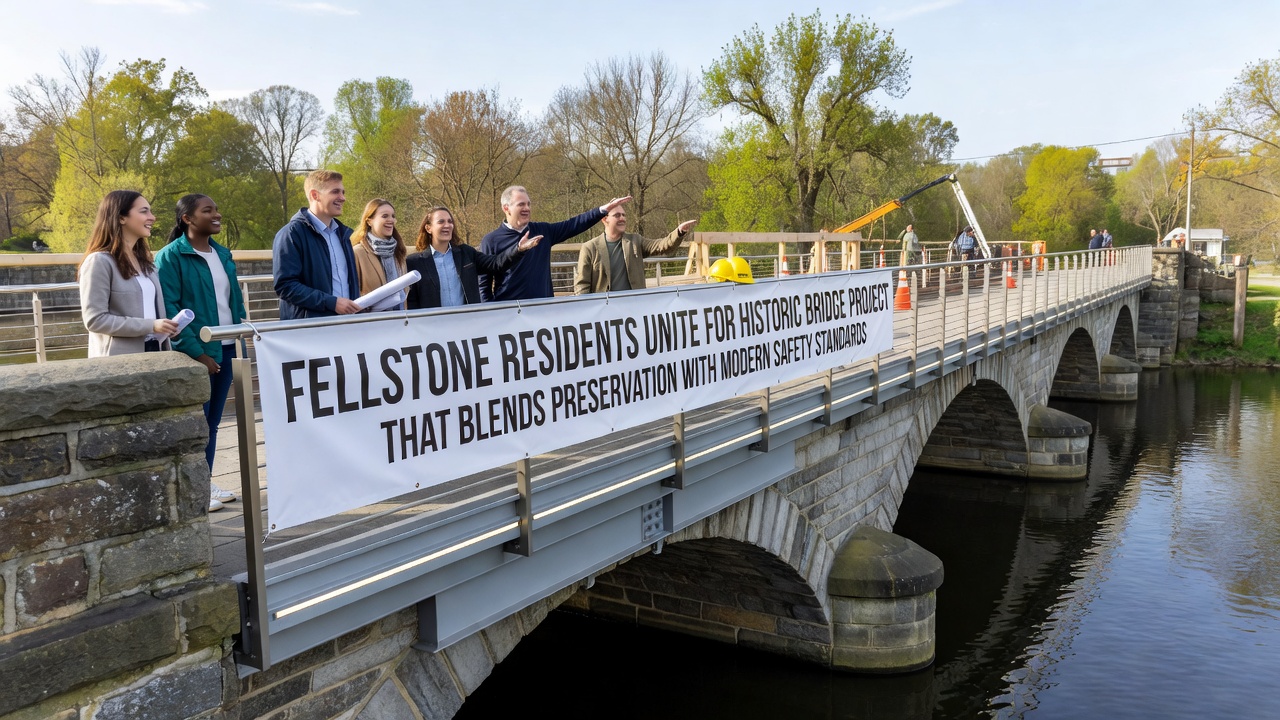
Residents in Fellstone have come together around a bridge restoration effort that pairs heritage protection measures with updated engineering requirements, and the initiative has drawn attention from local groups since planning sessions began in early 2025. The structure, which dates back to the late Victorian era, spans a key waterway that serves both pedestrian traffic and light vehicle routes through the village center, while its stone arches and iron railings remain protected under regional heritage listings. Community meetings held throughout the summer months highlighted concerns over structural wear documented in recent inspections, yet participants emphasized the need to retain original masonry details and decorative elements during any upgrades.
Project Background and Timeline
Survey data collected by county engineers showed that load-bearing capacity had declined below current guidelines for mixed-use pathways, prompting calls for reinforcement without full replacement. Those who've studied similar projects in other historic districts note that techniques such as hidden steel bracing and selective stone replacement often allow older bridges to meet modern codes while keeping their visual character intact. Planning documents indicate that work is scheduled to begin in September 2026, following final approvals and funding allocations expected later this year. The timeline includes phased closures to minimize disruption to daily village routines, with temporary footbridges installed during peak construction periods.
Community Involvement and Funding
Local volunteers formed a preservation committee that collected signatures from over 400 households, and this petition supported applications for grants from national heritage funds. Observers note that turnout at public forums exceeded previous records for infrastructure discussions, with participants contributing ideas on everything from lighting design to access ramps for mobility needs. Funding combines contributions from regional development grants, private donations, and a small allocation from parish reserves, creating a budget that covers both restoration and safety enhancements. One study revealed that comparable village-led efforts in northern England secured additional support through crowdfunding platforms, and Fellstone organizers have explored similar avenues to close remaining gaps.
Engineers have proposed using corrosion-resistant coatings on the ironwork and installing subtle sensors that monitor vibration levels over time, measures that align with standards published by the Institution of Civil Engineers. What's interesting is how these additions remain largely invisible to casual observers, preserving the bridge's original appearance while addressing long-term maintenance challenges. Data from transport authorities shows that bridges incorporating such monitoring systems experience fewer unexpected closures after upgrades, which supports the case for including them here.
Technical Approaches to Preservation and Safety
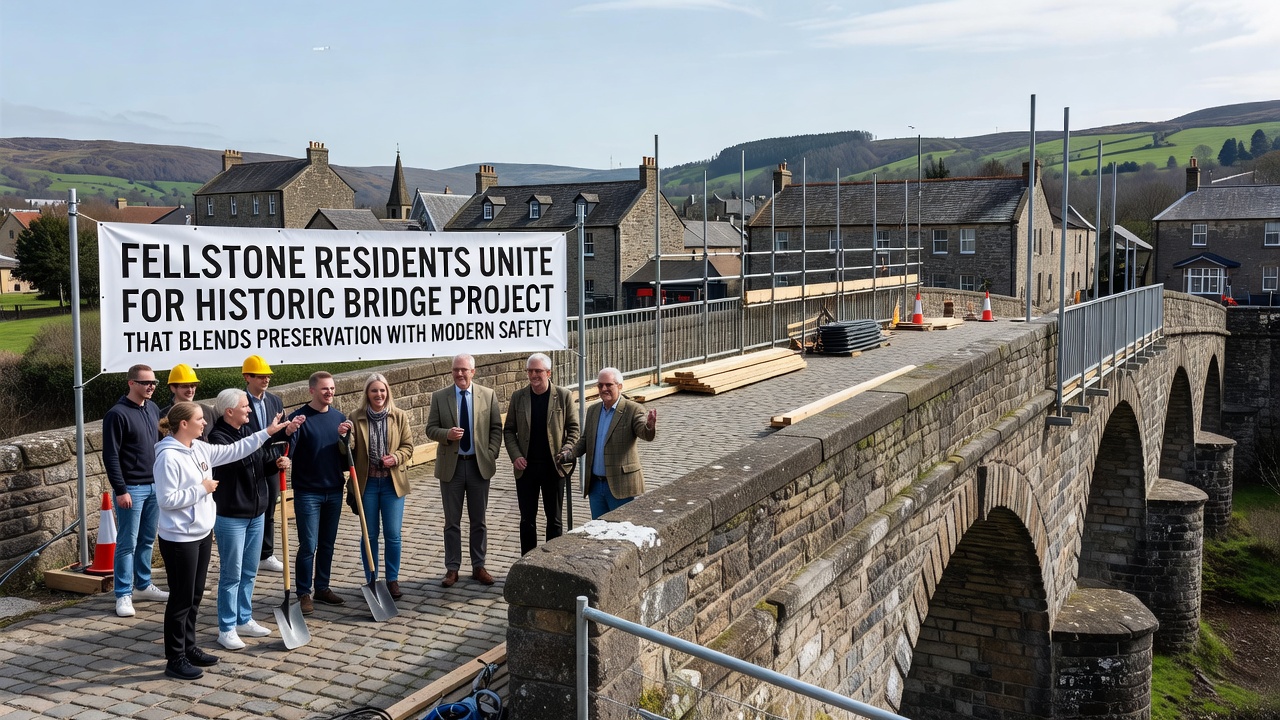
Preservation specialists consulted on the project recommend lime-based mortars for repointing joints, a material choice that matches the original construction and allows the stone to breathe naturally over decades. At the same time, modern safety features include non-slip surfacing on walkways and strengthened parapets designed to current vehicle impact standards. Researchers discovered through modeling that these combined methods can extend the bridge's service life by at least fifty years without altering its footprint or visual profile. Case examples from similar restorations in Scotland demonstrate that careful material selection reduces future repair frequency, and Fellstone planners have referenced those outcomes when refining their specifications.
Traffic studies conducted last spring measured daily usage patterns, revealing steady pedestrian volumes alongside occasional farm vehicle crossings that influence load calculations. The design team adjusted plans accordingly to accommodate these patterns while maintaining the narrow carriageway width that contributes to the bridge's historic charm. Community feedback sessions allowed residents to review scaled models and suggest refinements, such as improved drainage channels that prevent water pooling during heavy rainfall.
Broader Context and Comparisons
Heritage organizations across Europe have documented successful integrations of safety upgrades on protected structures, and the Fellstone approach draws from guidance issued by groups like the National Trust. According to reports from the European Heritage Network, projects that involve early resident participation tend to encounter fewer delays during permitting stages. Figures from transport ministries in Canada indicate that monitored historic bridges show measurable reductions in maintenance costs over a twenty-year period when sensors guide preventive work. Those patterns encourage local organizers to include similar technology in their own scope.
Yet challenges remain around coordinating multiple contractors skilled in both traditional masonry and contemporary structural engineering. Project leads have outlined training sessions for workers to ensure techniques stay consistent across phases, and this preparation aims to avoid common pitfalls seen in rushed restorations elsewhere. The ball's in the hands of the planning authority now, which will review the full package before issuing permits.
Conclusion
The Fellstone bridge project illustrates how communities can advance infrastructure improvements while respecting historic fabric, with September 2026 marking the anticipated start of on-site work. Ongoing documentation of the process will provide a reference point for other villages facing comparable decisions, and records kept by the preservation committee will track outcomes against initial projections. External links to detailed engineering guidelines from the Institution of Civil Engineers and preservation case studies hosted by the National Trust offer further context for those interested in the methods under consideration.