Felix Meier · 6 November 2026
Fellstone's Library Talks Spark Unexpected Conversations on Local Growth and Resource Challenges
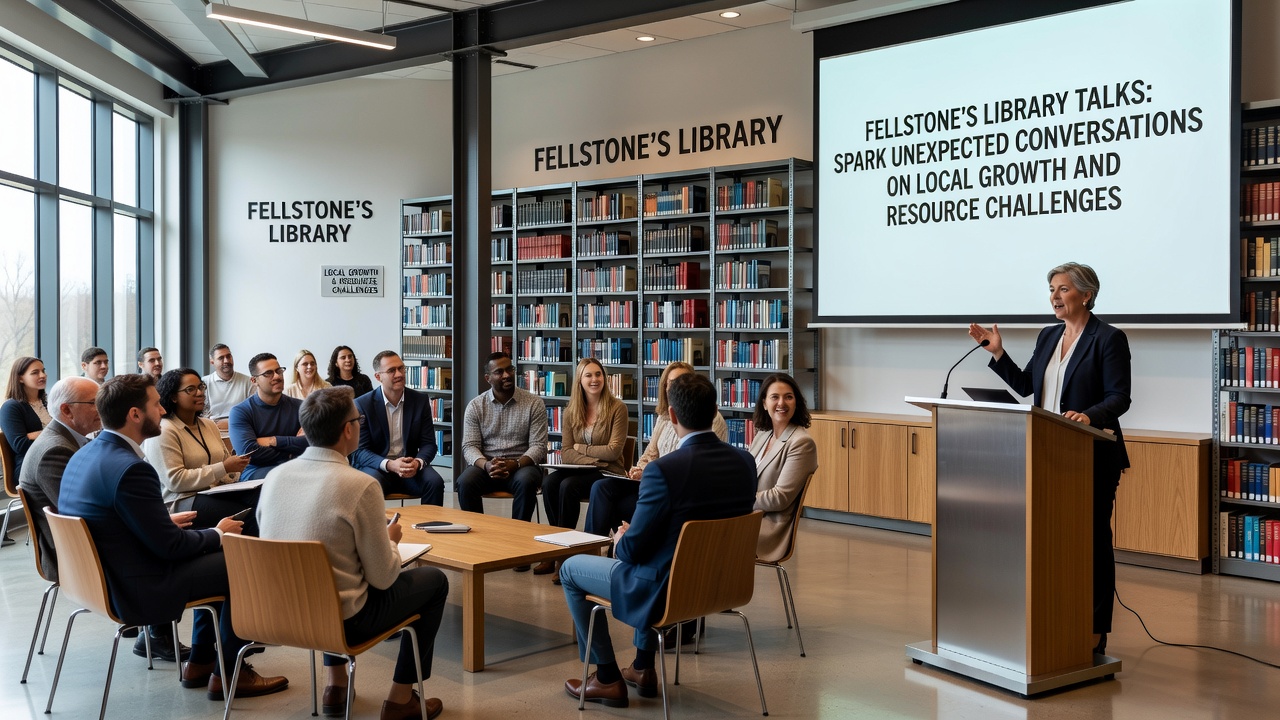
Library events in Fellstone have drawn residents together since early November 2026, and the sessions organized by local volunteers have turned into extended dialogues about how the village can handle expanding needs while managing finite supplies of water, energy, and land. Organizers scheduled three evening programs through the month, each built around short presentations followed by open floor time, and attendance has exceeded expectations with more than 120 people signing up across the dates.
Event Structure and Participation
Each session begins with data shared by invited speakers from regional planning offices, then moves into group discussions that last well past the posted end times. Participants receive printed summaries of recent population estimates and utility usage figures before the talks start, which allows everyone to reference the same numbers when questions arise. Attendance records show a mix of long-term residents, newer families, and representatives from nearby farms and small businesses, creating exchanges that cover topics from infrastructure maintenance to seasonal water allocation.
One November 2026 gathering focused on housing density trends, yet the conversation quickly shifted when attendees asked how new construction would affect the existing sewage network and electricity grid capacity. Figures released by the local utility cooperative indicated a 14 percent rise in peak demand over the past three years, prompting several speakers to outline practical steps for staggered development timelines.
Resource Data Presented
Presenters included staff from the village water authority who displayed charts tracking reservoir levels across the previous twelve months, and those charts revealed that summer drawdowns had left reserves lower than the five-year average. Residents reviewed similar data compiled by the county agricultural extension office, which tracks irrigation patterns for the surrounding farmland. The combined information led to questions about how growth targets could align with conservation measures already in place, such as the recent switch to timed sprinkler systems at community playing fields.
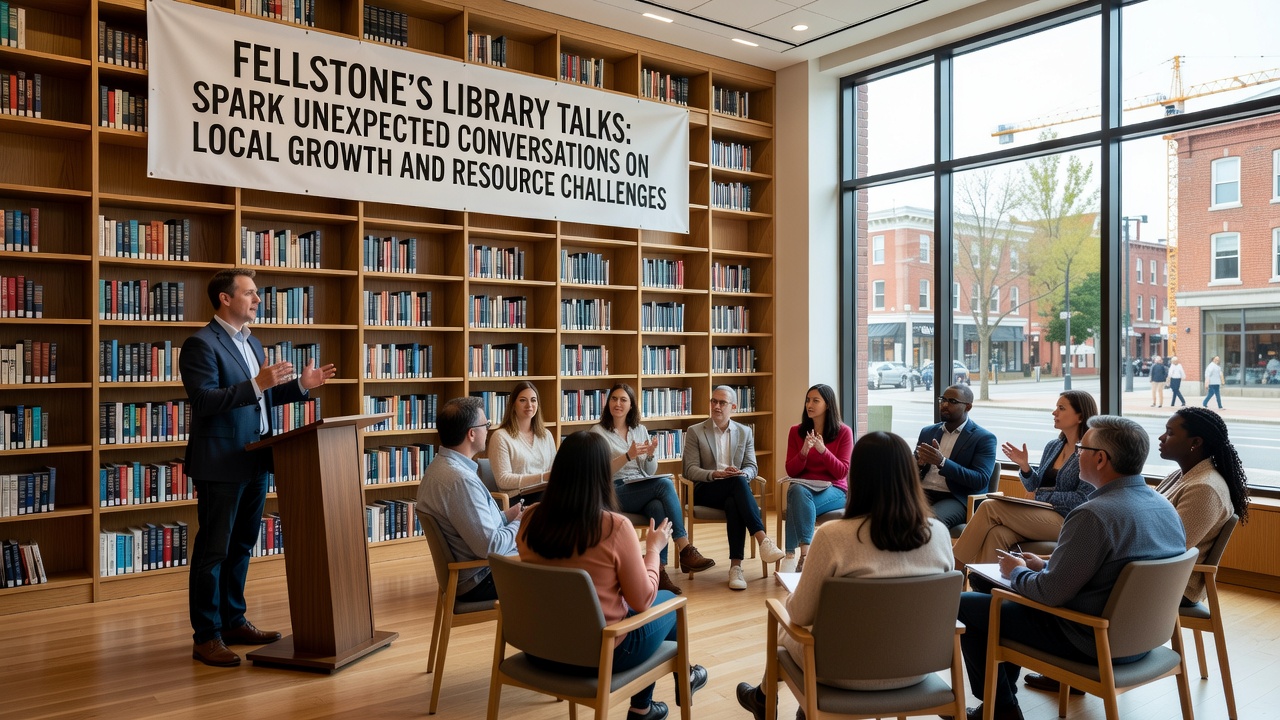
Further sessions examined energy usage patterns, and data supplied by the regional electricity provider showed that winter heating loads have increased alongside the addition of new households. Attendees discussed options such as shared solar arrays and improved insulation grants, with several participants noting that grant applications through national programs had processed more quickly in the past year. A representative from a neighboring county described how their community had coordinated bulk purchases of energy-efficient appliances, and that approach produced measurable reductions in household consumption within eighteen months.
Broader Community Connections
Conversations have also touched on transportation links and waste management, areas where growth can strain services that the library talks had not originally listed on the agenda. People who attended multiple evenings reported carrying printed maps between sessions to compare proposed road improvements with current bus routes. Local business owners contributed details about delivery schedules and how heavier traffic might affect fuel costs, while school administrators raised concerns about classroom space and staff recruitment if enrollment continues to climb.
According to reports from Statistics Canada on rural infrastructure pressures, similar patterns have appeared in other regions where population increases outpace upgrades to shared systems. Those reports note that coordinated planning between residents and service providers tends to produce more balanced outcomes when data remains transparent throughout the process. Fellstone participants referenced comparable findings from Australian Bureau of Statistics publications on regional water allocation, which highlight the value of regular community review meetings.
Follow-Up Steps Under Discussion
By the final scheduled talk in late November 2026, several working groups had formed to prepare recommendations for the next parish assembly. One group is compiling a list of low-cost monitoring tools that households can use to track their own resource consumption, while another is exploring partnerships with nearby technical colleges for training programs on sustainable building practices. Organizers have collected written feedback forms from every session and plan to publish a summary document by early December that will be available both in print at the library and online through the village website.
Conclusion
The library talks have supplied a consistent venue for residents to examine growth projections alongside concrete resource measurements, and the resulting conversations have extended into practical planning steps that several working groups now intend to present to local decision makers. Attendance data and feedback summaries indicate continued interest, with additional sessions proposed for the first quarter of 2027 to track progress on the ideas that emerged during November 2026.