Felix Meier · 20 November 2026
Library Author Series Inspires Creative Links Between Road Safety Upgrades and Elderly Care Expansions
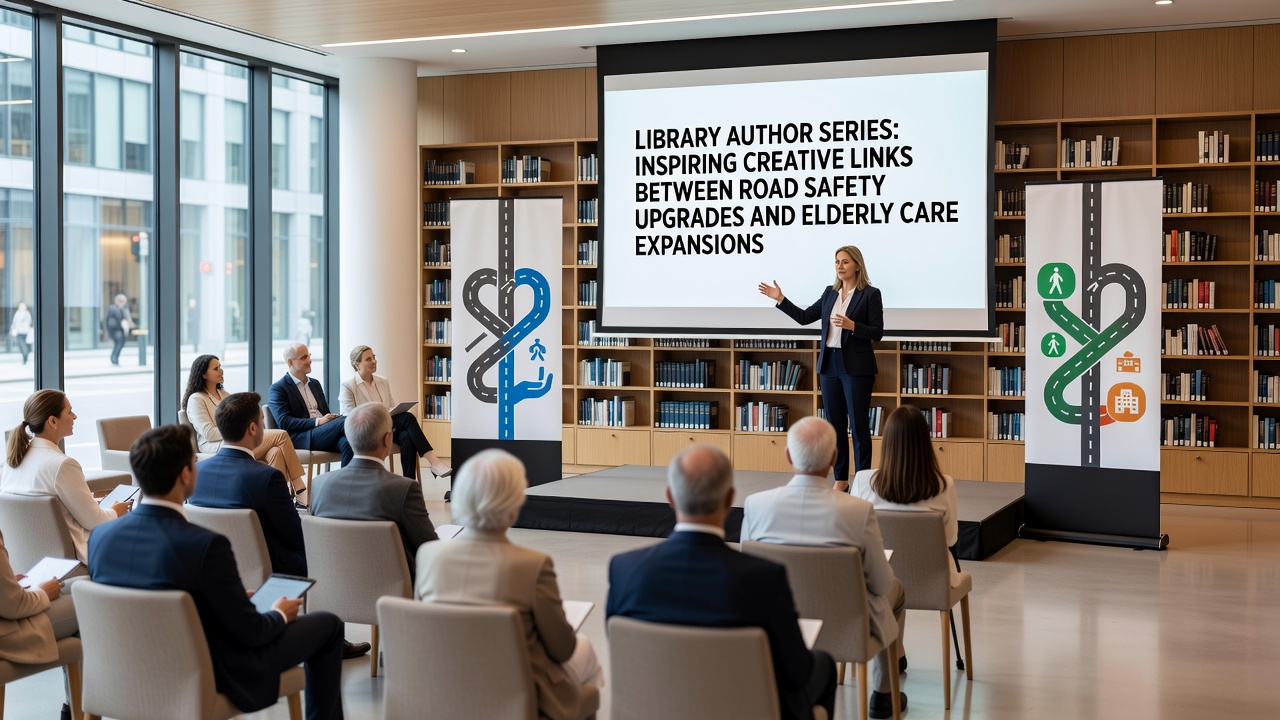
The Library Author Series in Fellstone has drawn together writers whose works explore intersections between transportation infrastructure and support systems for aging populations, and residents have noted how these presentations encourage fresh approaches to local planning. Authors such as those focused on urban mobility and demographic shifts presented sessions throughout 2026 that highlighted data on senior driver safety alongside needs for expanded residential care options, and the talks prompted community groups to consider joint projects that address both areas simultaneously.
Series Structure and Key Presentations
Organizers scheduled multiple events across the fall months, with November 2026 featuring a lineup that included three authors whose books examine how road design affects elderly mobility and how care facilities can incorporate transport planning. One session examined statistics from Transport Canada on older driver collision rates, while another reviewed European Commission reports on integrated care models that factor in accessible roadways. Attendees heard about specific upgrades such as improved signage, wider pedestrian crossings, and dedicated lanes that reduce risks for seniors who continue driving, and these details connected directly to discussions on expanding local care centers to include shuttle services and nearby road modifications.
Participants explored case examples from various regions where similar overlaps produced measurable results, including reduced hospital admissions tied to traffic incidents and better access to medical appointments for those in care facilities. The series format allowed for panel discussions that extended beyond individual book readings, and audience members contributed observations about Fellstone's current road conditions near existing care homes.
Community Responses and Emerging Connections
Following the November events, local committees began mapping areas where road safety enhancements could align with proposed expansions of elderly care services. Data from the presentations showed that communities investing in both infrastructure types often see lower emergency response costs, and Fellstone groups started identifying priority intersections near planned facility sites. Researchers from academic studies cited during the series indicated that coordinated planning yields efficiency gains compared with separate initiatives, and this information encouraged residents to form working groups focused on dual-purpose proposals.
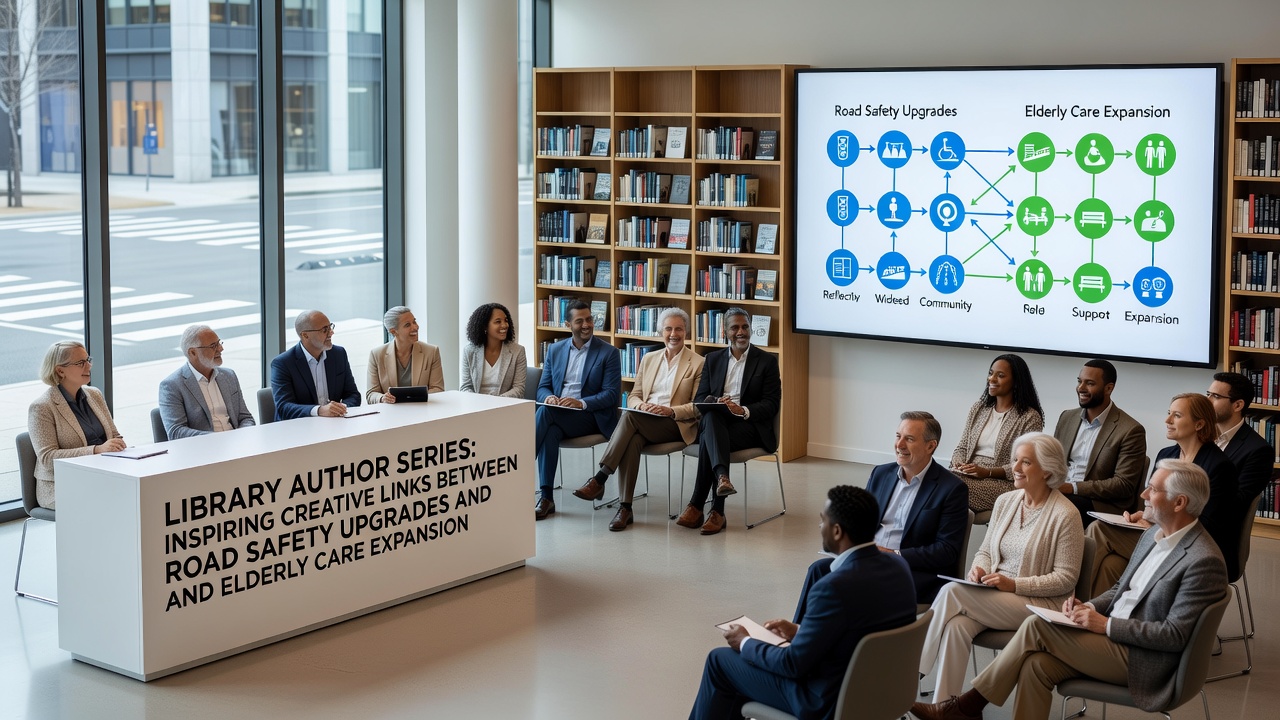
One presentation referenced Australian government findings on senior transport access that linked safer road networks to improved quality of life metrics in care settings. Those attending the series took notes on funding models that combine transport grants with health service allocations, and several participants suggested adapting these approaches for Fellstone's growth areas. The conversations moved from abstract concepts in the books to concrete steps such as traffic calming measures around new care expansions and driver education programs tailored for older adults.
Data and Broader Context
Figures presented during the author events drew from multiple sources that track demographic trends alongside infrastructure needs. Observers noted increases in the proportion of residents over age 65 in Fellstone, and the series connected these shifts to requirements for both safer roadways and additional care capacity. Studies referenced in the talks showed correlations between well-designed transport options and reduced isolation among elderly populations, while road safety improvements contributed to lower incident rates in comparable towns.
Local planning documents began incorporating references from the series, and committees reviewed how joint projects might qualify for grants that support both transportation and health services. The author presentations emphasized evidence-based examples rather than isolated fixes, and this approach led to proposals that treat road upgrades and care expansions as interconnected elements of community development.
Conclusion
The Library Author Series has positioned Fellstone to explore integrated solutions that link road safety upgrades with elderly care expansions through shared planning and resource allocation. Events in November 2026 supplied data and examples that continue to inform ongoing discussions, and residents have begun developing specific initiatives based on the connections highlighted during the sessions. This framework supports continued examination of how infrastructure and care systems can advance together in response to local demographic patterns.